
Understanding the Psychology of Gambling Beliefs
Many individuals who engage in gambling develop a set of beliefs about luck, skill, and the probability of winning. These beliefs can range from a genuine conviction in one’s own fortunate destiny to a more nuanced understanding of the game’s mechanics. It’s crucial to differentiate between a realistic appraisal of odds and a superstitious adherence to notions of luck. For instance, believing that wearing a “lucky shirt” influences the outcome of a roulette spin is fundamentally different from understanding the mathematical probabilities associated with each number. While some may seek out specialized activities like ice fishing, the core psychological drivers behind gambling remain consistent.
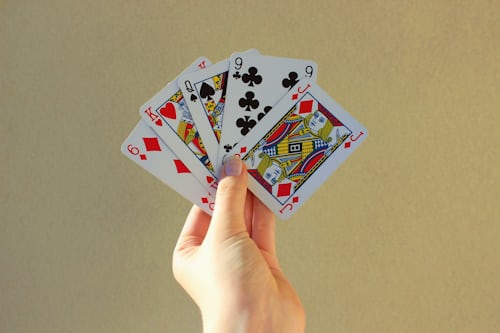
These deeply ingrained beliefs often stem from a combination of personal experiences, cultural influences, and the inherent thrill of the gamble itself. Confirmation bias plays a significant role, where positive outcomes are attributed to personal luck, while negative ones are dismissed as anomalies or bad fortune. This selective memory reinforces the gambler’s belief in their own luck, even when objective data might suggest otherwise. Sites offering gambling opportunities often capitalize on this by highlighting big wins and creating an atmosphere of possibility.
The Illusion of Control in Casino Games
A common fallacy in gambling is the illusion of control, where players believe they can influence the outcome of games that are purely based on chance. This can manifest in rituals, specific betting patterns, or even a perceived ability to “read” the game. In reality, most casino games, such as slot machines and roulette, are governed by random number generators and predetermined odds. Any perceived influence is merely a psychological construct.
This illusion is particularly potent in games where there is an element of player decision-making, like blackjack. While strategy can mitigate losses and improve odds in some scenarios, it cannot overcome the inherent house edge. Gamblers may attribute successful hands to their own skill or “feel” for the game, overlooking the role of pure chance in the shuffle and deal. Recognizing these games for what they are – primarily chance-based – is a vital step in managing expectations and avoiding detrimental beliefs.
Assessing the Reliability of Casino Luck
The concept of “casino luck” is largely a myth perpetuated by the allure of the gambling environment. While it is true that some players will experience winning streaks, these are statistical outliers rather than predictable patterns. The house edge is a mathematical certainty designed to ensure profitability for the casino over the long term. Therefore, relying on luck as a consistent strategy is inherently unreliable and a risky proposition.
Sustainable engagement with gambling, if one chooses to participate, requires a clear understanding of the probabilities involved and the acceptance that outcomes are largely beyond personal control. Instead of seeking a mythical “lucky streak,” a more responsible approach involves setting limits, managing bankroll effectively, and viewing gambling as entertainment rather than a reliable source of income. The focus should be on the experience, not on an outcome dictated by unreliable luck.
Gambling Responsibly in the Digital Age
The rise of online gambling platforms has made access to casino games easier than ever, bringing with it both convenience and potential pitfalls. Responsible gambling practices are paramount when navigating these digital spaces. This includes setting clear time and monetary limits before commencing play and sticking to them rigorously. It also involves understanding that online casinos, like their land-based counterparts, are businesses with built-in advantages.
The ease of access can also lead to impulsive decisions and a blurring of lines between entertainment and problem gambling. Players must be vigilant about their own behavior and recognize the signs of developing issues. Seeking information on responsible gambling resources and utilizing the tools provided by reputable online platforms can be instrumental in maintaining a healthy approach. The belief in a reliable “casino luck” can be especially dangerous when it fuels continuous play without regard for limits.

Navigating the Unreachable ice-fishing-au.net
The situation with ice-fishing-au.net presents a unique challenge in the context of evaluating gambling beliefs and the perceived reliability of casino luck. As the site is currently unreachable, it prevents direct analysis of its offerings or the specific messages it might convey to potential users. However, the very act of a gambling-related website being inaccessible can serve as a cautionary tale in itself.
This inaccessibility could be due to a multitude of reasons, ranging from technical issues to regulatory problems. Regardless of the cause, it highlights the volatile nature of online platforms, especially those involved in gambling. For individuals exploring gambling, the instability of even seemingly established sites reinforces the unreliability of placing faith in external factors like specific platforms or perceived “luck.” It underscores the importance of grounding one’s approach to gambling in personal responsibility and a realistic understanding of probabilities, rather than in the fleeting availability or promises of any given website.